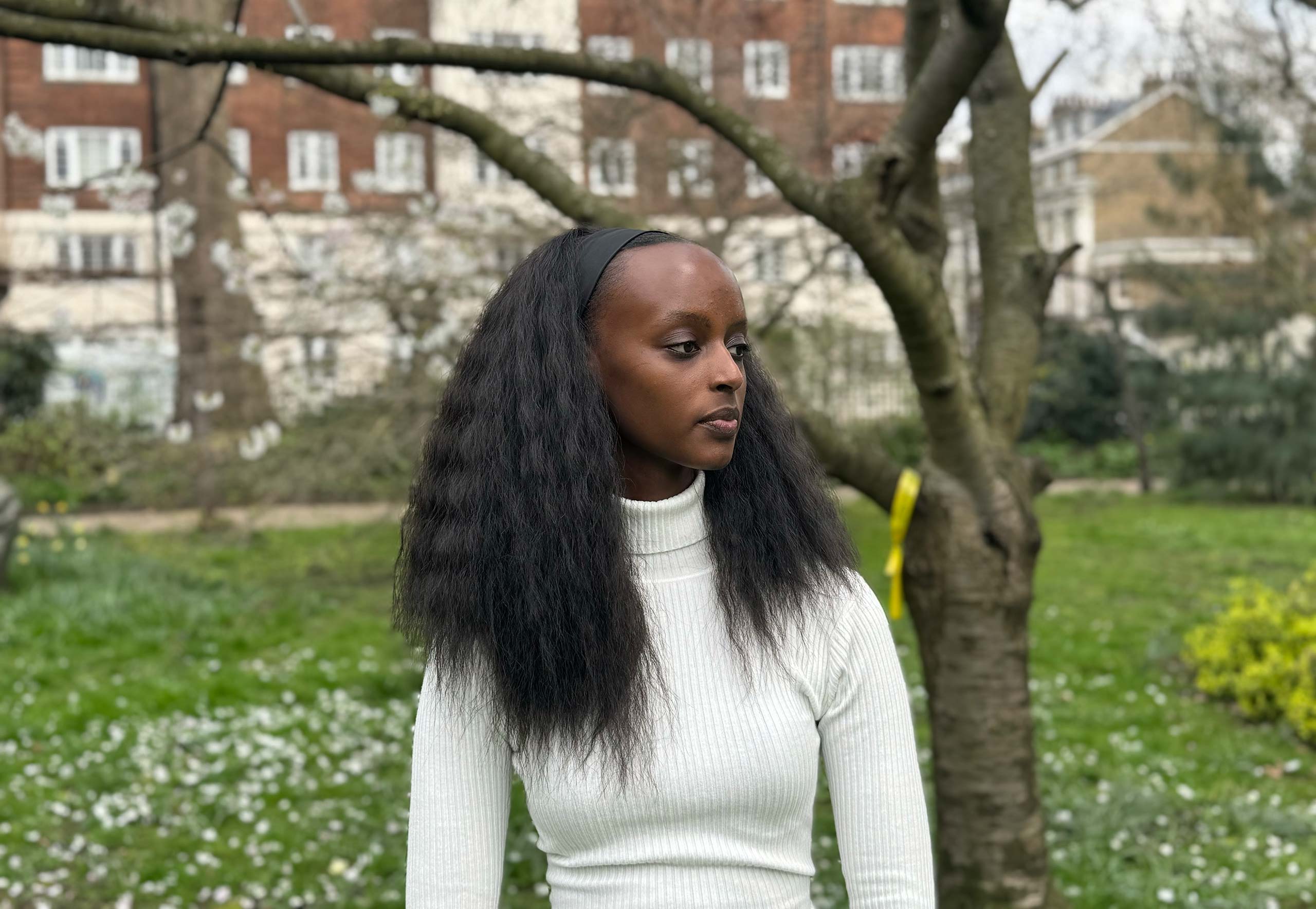
An eye towards justice
Keasha Buchana ’25 spent six months researching and archiving first-hand stories of the Gatumba Massacre and its aftermath for the Gatumba Survivors Project in collaboration with the Strassler Center for Holocaust and Genocide Studies.
Trending at Clark
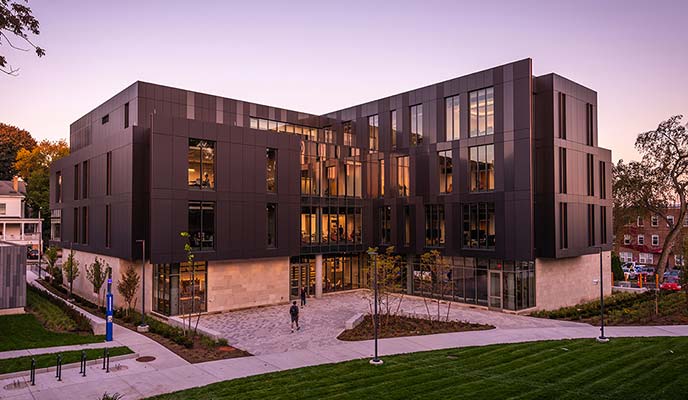
Clark is No. 3 in Princeton Review’s game design rankings
Becker School for Design & Technology programs also rank No. 2 in the Northeast and No. 7 for the MFA.
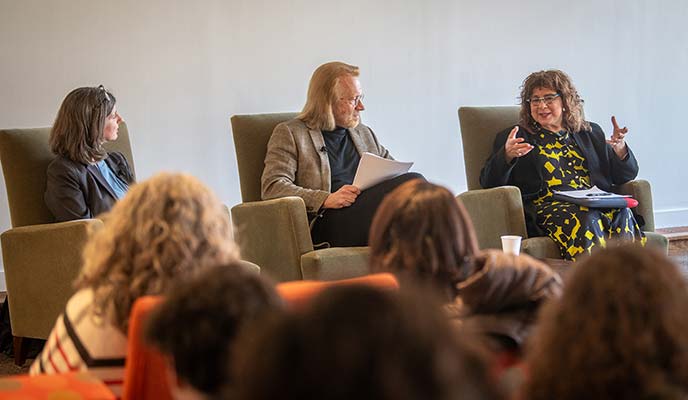
Panel examines the roots of antisemitism
The panel, convened by the Strassler Center for Holocaust and Genocide Studies, explored how lessons of the past can inform strategies for the future.
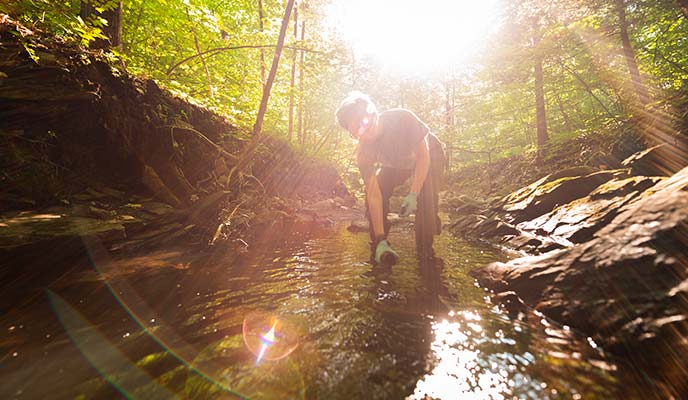
$10M pledge advances School of Climate, Environment, and Society
This gift enables the University to begin the process of establishing the new School — first, by recruiting a new dean to lead it.
Altogether different for the greater good
Clark is built for the kind of unconventional and independent thinking that allows us to value the imperfect and navigate the unexpected. We move through the world with confidence and curiosity, eager to discover what awaits and emboldened to act when our moment arises.
Academics
Gain a world-class education grounded in both intellectual rigor and an urgent responsibility to elevate our fellow humans.
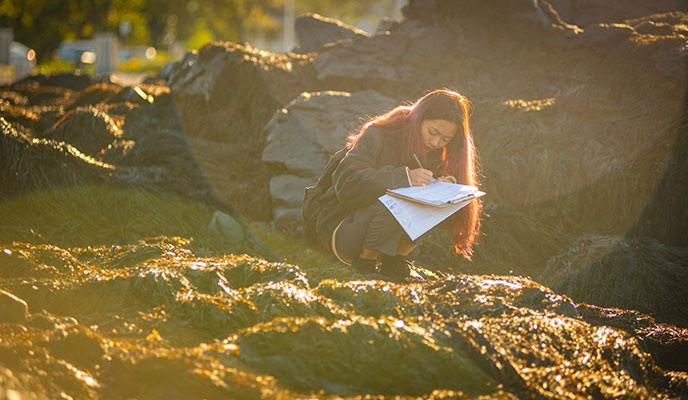
Explore majors
Browse undergraduate programs and learn about the experiential learning, study abroad, and accelerated degree options that make us different.

Graduate degree programs
Our globally recognized graduate programs will enable you to contribute to new knowledge and positive action in your chosen field.
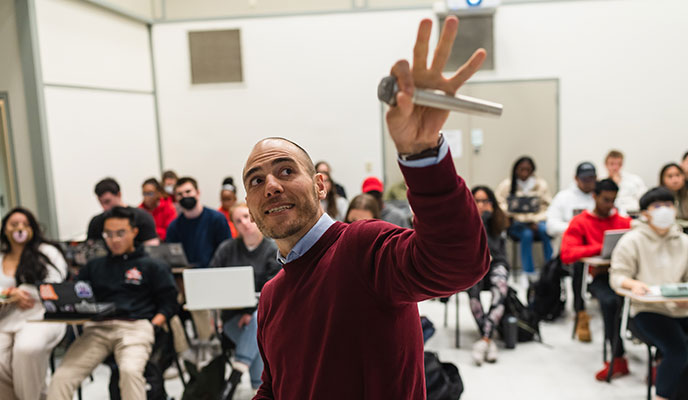
Meet the faculty
Clark faculty are scholar-teachers who bring students into their research.
Discovery and Impact
We think differently. We ask hard and good questions. We break down barriers to new knowledge and positive action.
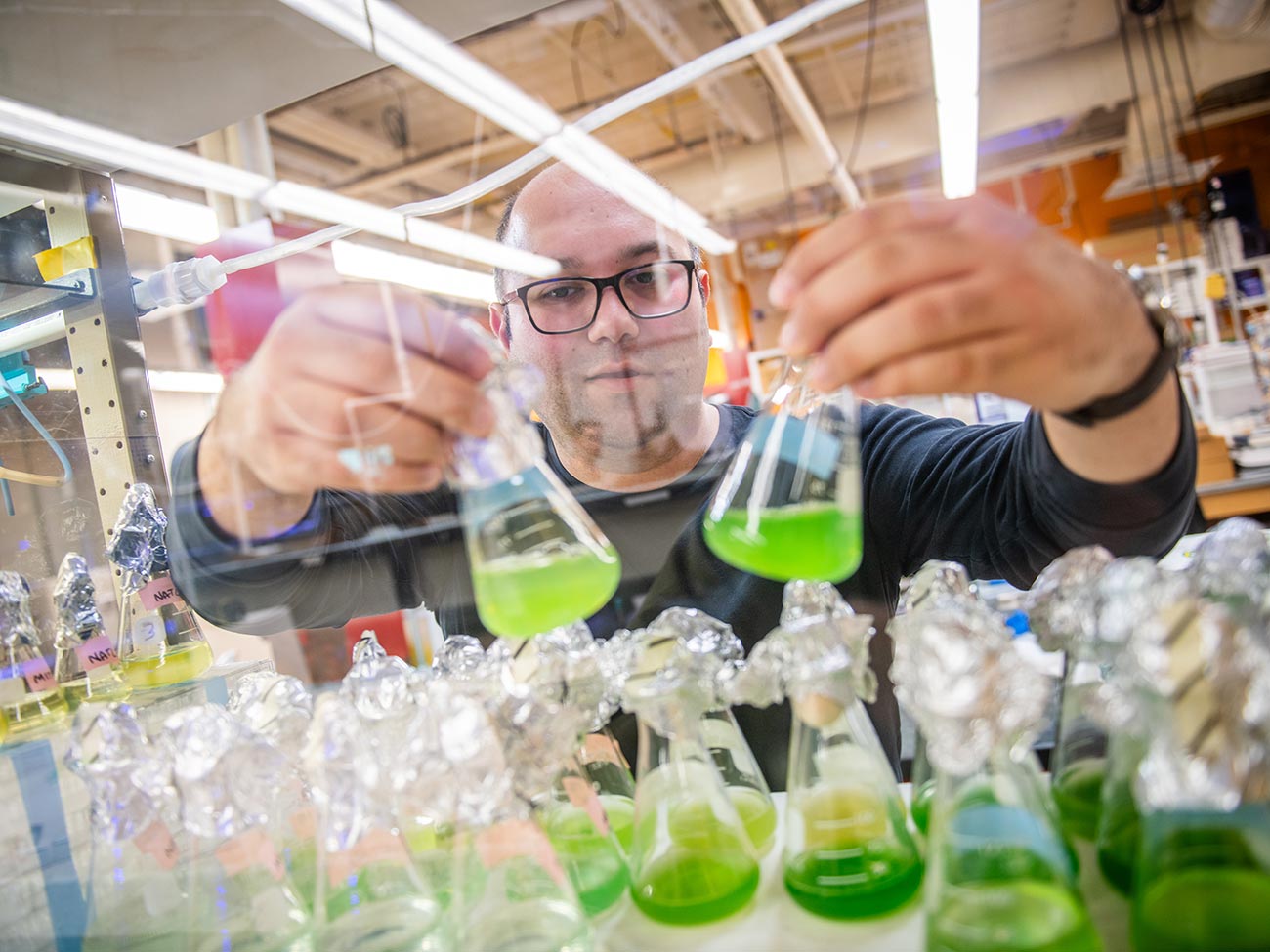
Cyanobacteria produce oxygen for life on earth. Why are viruses killing them?
Funded by $1.1 million in NSF grants, researchers dive into an undersea war of the microbes.
-
Sustainable cities
-
Geospatial analytics
-
Creative arts
-
Climate and Global Change
Could traditional knowledge hold the answer to feeding the world?
-
Political Science
What can Euripides teach us about the role of grief and rage in contemporary society?
-
Science and health
Admissions
Clarkies are curious about the world and their place in it. We put our knowledge into action to make a difference.
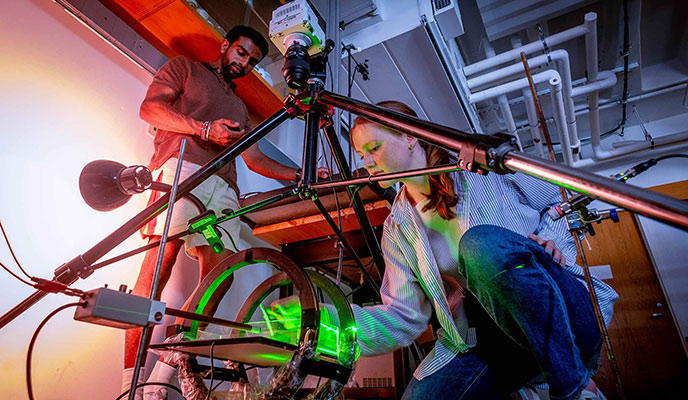
Undergraduate studies
We want to get to know you, what inspires you, and the ways you’ll enrich the Clark community.
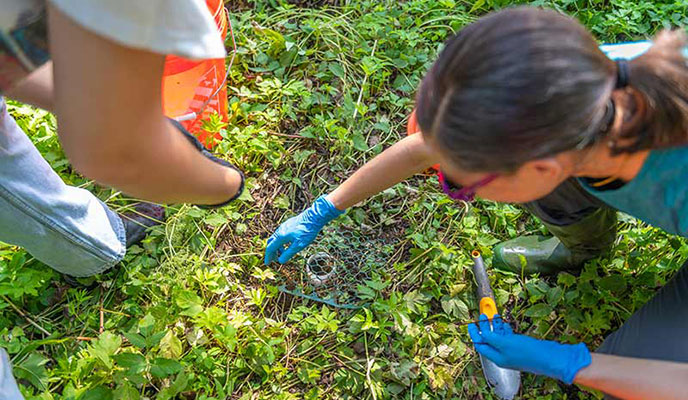
Graduate studies
Join a community of world-class scholars researching solutions to address the challenges facing the world.
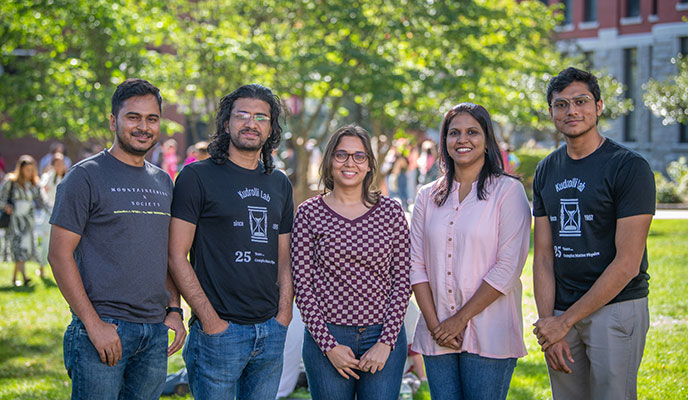
International students
You are welcome here. Our shared understanding is broadened by the perspectives you bring to our campus.
Of undergraduate alumni employed, volunteering, or in school six months after graduation
Success after Clark
Experience for yourself what it’s like to study at a small research university with a strong liberal arts core.
Still curious? Contact us to request more information.
Experience for yourself what it’s like to study at a small research university with a strong liberal arts core.
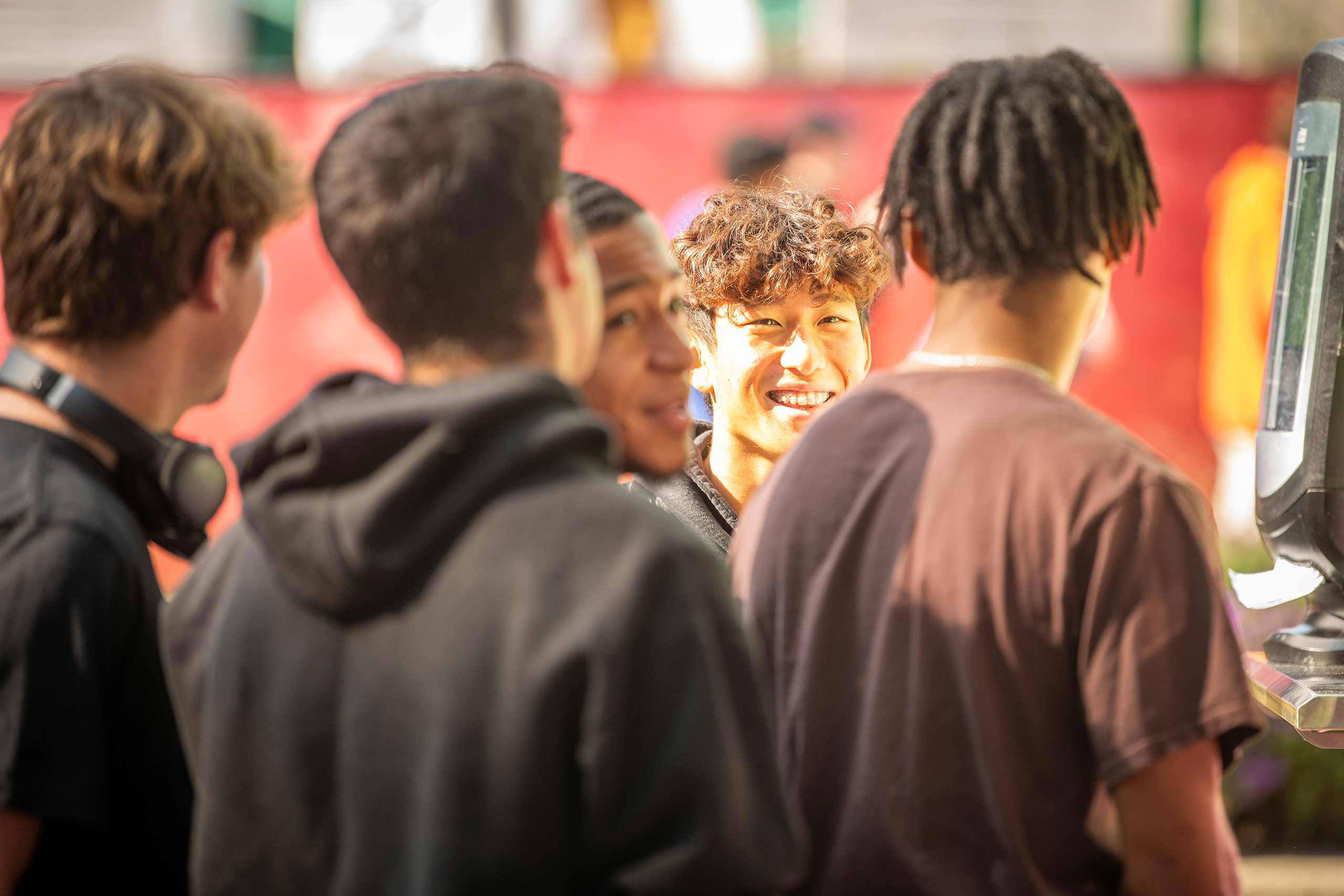
Snapshot of campus life
Clark’s annual mental wellness event provides a chance for students to come together, reflect, and connect.